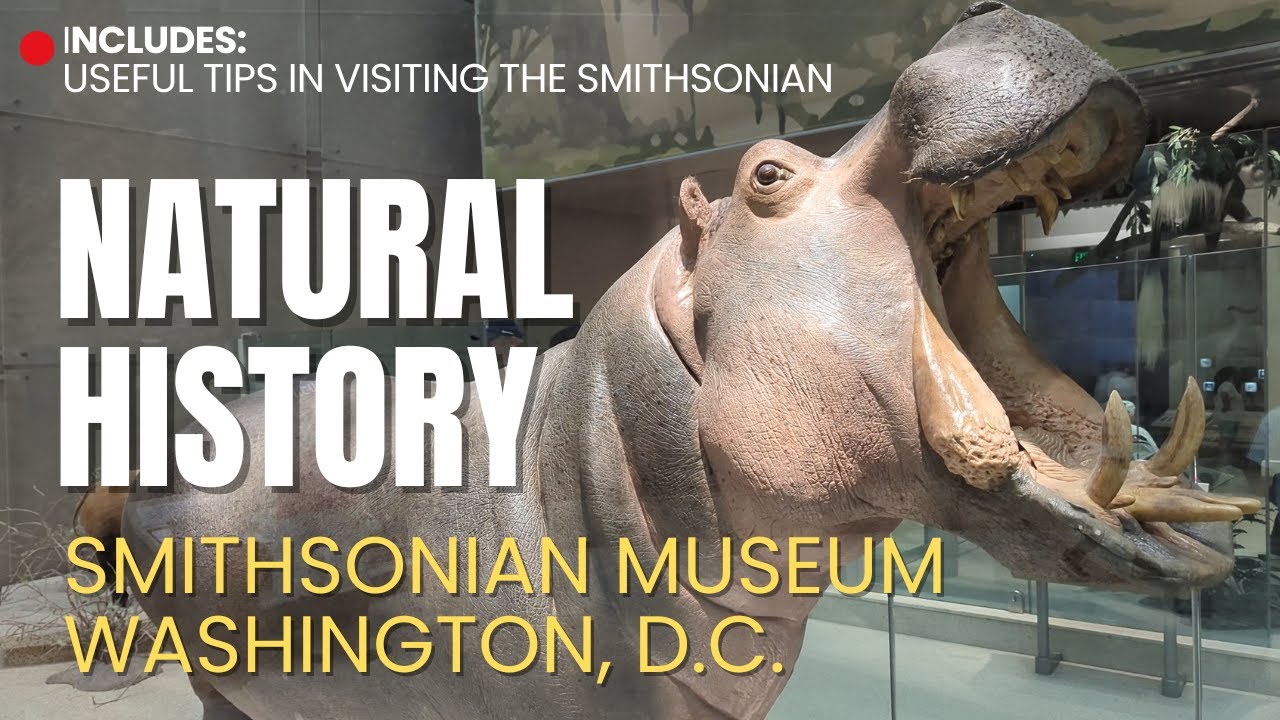
There is something truly magical about standing in the heart of Washington D.C., surrounded by the iconic white columns of the National Mall. As a family that thrives on curiosity and shared adventures, we’ve always had the Smithsonian National Museum of Natural History at the very top of our bucket list.
Last week, we finally packed our bags, laced up our most comfortable walking shoes, and set out to explore millions of years of history. From the moment we saw the majestic dome of the museum building, we knew we were in for an unforgettable day. If you’re planning a family trip to D.C., you probably already know that the Smithsonian museums are a “must-do,” but the Natural History Museum is in a league of its own. It’s a place where science feels like a storybook, and history feels alive.
In this post, we’re sharing everything from our personal journey—the exhibits that took our breath away, the secret tips we learned along the way, and how we managed to navigate one of the busiest museums in the world without losing our cool (or each other!).
Planning the Perfect Visit: When to Go and How to Beat the Crowds
Before we even stepped foot on the National Mall, we did a bit of homework. One thing we quickly realized is that timing is everything when you’re visiting a world-class institution like this.
We found that weekdays are your best friend, specifically Tuesday through Thursday. We opted for a Wednesday morning, and it made a world of difference. The museum opens its doors at 10:00 AM, and we made sure to be there just as the security guards started waving people through. Arriving early allowed us to see the most popular exhibits before the school groups and larger tourist crowds descended.
If you have the flexibility to choose your season, we highly recommend visiting during the “off-peak” months. Late fall (September to November) or the heart of winter (January to February) are fantastic times to visit because the halls are much quieter. We’ve heard that June through August is peak tourist season, so if you’re visiting then, definitely pack your patience along with your water bottles!
Our Secret Tip: We skipped the main entrance on the National Mall and used the Constitution Avenue entrance instead. It’s often much less crowded, and the security line moved like a breeze!
A Grand Welcome: Meeting Henry the Elephant
As soon as we stepped into the Rotunda, we were greeted by the museum’s most famous resident: the iconic African bush elephant. He’s been standing guard here since 1959, and honestly, pictures don’t do him justice. Seeing the kids’ faces light up as they stood beneath those massive tusks was the perfect way to start our day.
The Rotunda is the heart of the museum, and it’s a great place to gather the family and take a quick “we’re here!” photo. From this central point, you can head off in any direction, but we decided to dive straight into the past.
Walking Through Deep Time: The David H. Koch Hall of Fossils
We’ve all seen dinosaur movies, but nothing prepares you for the sheer scale of the Hall of Fossils. We felt like we had stepped into a time machine. This isn’t just a room full of bones; it’s a beautifully choreographed journey through “Deep Time,” exploring billions of years of life on Earth.
The star of the show, without a doubt, is the 40-foot-long T-Rex. Seeing it positioned over a Triceratops is a powerful reminder of the incredible diversity and the “survival of the fittest” reality of the ancient world. We spent a long time just wandering through the evolution of plants and early sea creatures, chatting about what it must have been like when these giants roamed our planet. It’s an exhibit that sparks endless questions from the kids—and from us adults, too!
Diving Into the Deep: The Sant Ocean Hall
From the dusty era of dinosaurs, we transitioned to the cool, blue depths of the Ocean Hall. This exhibit is massive, and it’s designed to help you understand how vital the ocean is to our entire planet.
The highlights for us were definitely the giant squid and the life-size model of a North Atlantic right whale suspended from the ceiling. Standing beneath the whale gives you a true sense of scale that you just can’t get from a textbook. We explored everything from colorful coral reefs to the mysterious creatures of the deep sea. It’s a beautiful, immersive space that reminds us all of the fragility and vastness of our oceans.
All That Glitters: The Janet Annenberg Hooker Hall of Geology, Gems, and Minerals
If you follow the sparkle, you’ll find yourself in the Gems and Minerals exhibit. We’ll be honest—we were all pretty excited to see the Hope Diamond. Seeing one of the world’s most famous jewels in person is a “bucket list” moment. Its deep blue color is mesmerizing, and reading about its storied history (and the supposed curse!) kept us talking for the rest of the afternoon.
Beyond the Hope Diamond, the hall is filled with thousands of specimens, from massive crystals to glowing minerals. It’s a sparkling showcase of Nature’s most beautiful creations, and it’s a great place to slow down and appreciate the artistry of the Earth itself.
A Trek Through the Hall of Mammals
Next, we traveled the globe without ever leaving the museum. The Hall of Mammals uses incredibly detailed diaramas to recreate natural habitats from the African Savannah to the icy Arctic tundra.
What we loved most about this section was the “walk-through” feel. You feel like you’re stepping into different corners of the world, seeing animals as they would appear in the wild. It’s a wonderful way to teach children about biodiversity and the different environments animals need to thrive.
A Moment of Calm: The Butterfly Pavilion
To wrap up our exploration, we decided to visit the Butterfly Pavilion. Note that this is one of the few parts of the museum that requires a separate ticket, but in our opinion, it is worth every penny.
Stepping into this tropical oasis was a breath of fresh air. It’s filled with hundreds of live butterflies fluttering through the air. If you stand still long enough, one might even land on your shoulder! It was such a calming, beautiful experience and provided a lovely contrast to the “big” energy of the dinosaur and ocean halls. It was a gentle reminder of the delicate beauty of life.
Practical Tips for Your Family Adventure
After spending a full day at the museum, we walked away with a few practical takeaways to help your visit go smoothly:
- Download the Smithsonian App: This was a lifesaver for us. It has maps, exhibit info, and even self-guided tours that helped us stay on track.
- Prioritize Your “Must-Sees”: The museum is enormous. We decided on our “top three” (Dinosaurs, Gems, and Butterflies) and did those first before our energy started to flag.
- Pack Snacks and Water: While there are cafes on-site, they can get busy and expensive. You can’t eat in the galleries, but we were glad to have small snacks and water bottles in our bags for quick breaks in the designated seating areas.
- Check for Special Exhibits: Sometimes there are temporary displays that require advanced reservations. Always check the museum website a few days before you go!
Final Thoughts: A Day to Remember
Our visit to the Smithsonian National Museum of Natural History wasn’t just an educational trip; it was a day of shared wonder. We left feeling a little smaller in the grand scheme of history, but a lot more connected to the world around us. Whether you’re a nature lover, a history buff, or just looking for a world-class family experience, this museum truly has something for everyone.
We can’t wait for our next D.C. adventure. Until then, keep exploring, keep questioning, and keep making those family memories!

